
A Rethink: From Facilitating Projects to Leading Teams
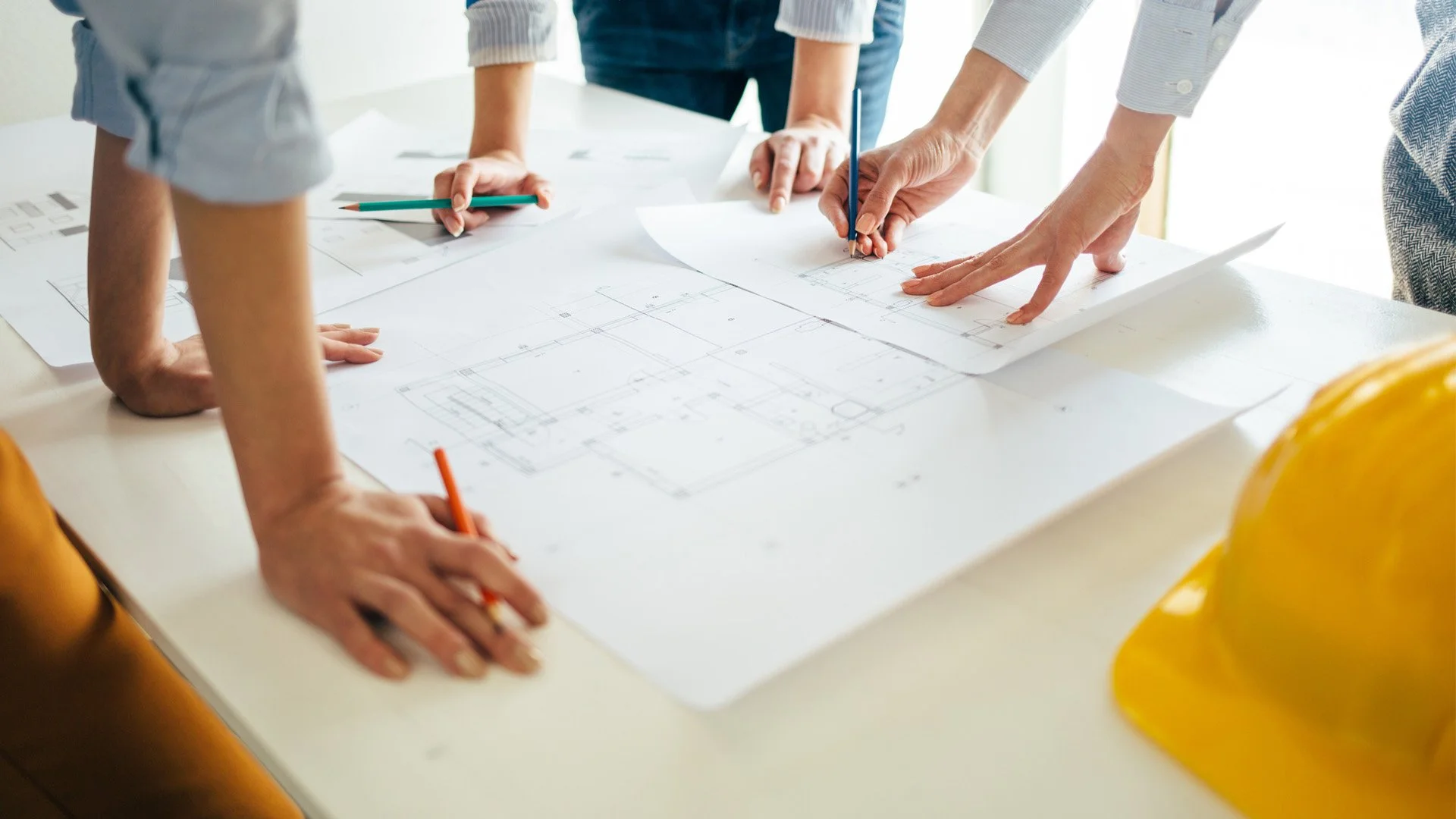
I did not start in leadership.
I started in process.
Early in my career, my attention went straight to the work itself. Scope. Schedule. Budget. Deliverables. When the pieces were clear and sequenced well, projects moved. That focus built strong fundamentals. It trained my eye to see how work flows and where momentum builds.
As time passed, the projects changed. The teams got stronger. Architects, builders, and designers arrived with depth, refined methods, and tested systems. Many already knew how to run work well.
That is when my role began to shift.
Instead of fixing process, I began shaping structure. Not telling teams how to work, but helping them design how they wanted to work together. How decisions would move. How information would travel. How responsibility would shift from one person to the next.
Teams built their own rhythm. Their own agreements. Their own way of moving together. Structure became the support system that held whatever process they chose to use.
That stage mattered. Projects felt steadier. Teams felt clearer. Work moved with less friction.
And then experience showed me the edge of that model.
The Edge of Structure
Even with strong teams and well-designed structure, some moments still carried weight.
The drawings were solid.
The process was clear.
The structure was in place.
And still, certain decisions asked for more than logic.
They asked people to balance pride in their work, responsibility to the project, their professional reputation, and loyalty to the team. These were human decisions with real consequences. Structure supported those moments. People shaped how those moments unfolded.
That is when my work expanded again.
Beyond Process and Structure
Today, I still care deeply about process.
I still help teams design strong structure.
But I now begin with the human side of the work.
I pay attention to how people think, how they decide, how they experience responsibility, and how they carry the weight of important choices. Every project runs on two systems at the same time.
One is technical: drawings, budgets, schedules, scopes.
The other is human: confidence, pride, care, and identity.
The technical system builds the project.
The human system determines how it gets built.
So my role has become clear.
I lead the human system of the project.
I guide how people move through complexity together.
I shape conversations that help decisions feel steady and shared.
I support teams as they commit to direction with confidence.
I help momentum feel intentional.
What Project Leadership Means Now
Project leadership today is about leading people as they run the work.
It means creating clarity when choices matter.
It means helping people speak from what they care about.
It means guiding teams toward commitment that feels owned.
It means building momentum the whole team recognizes as theirs.
High-end residential work is full of skill. The teams I work with arrive capable, experienced, and prepared. What shapes the project most is how they experience working together while using that skill.
When people feel clear, they move.
When people feel supported, they commit.
When people feel connected, they build something special together.
Why This Is a Rethink
This is a widening of what experience has taught me.
First came process.
Then came structure.
Now comes people.
I still design rhythm.
I still help teams define how they work.
I still care about strong systems.
But one truth sits above all of it.
Projects succeed through people.
When people move with confidence, the work follows.
When people feel aligned, momentum builds naturally.
That is what leading teams means to me now.