
Slow Down To Set Up. Here’s How You Actually Speed Up.
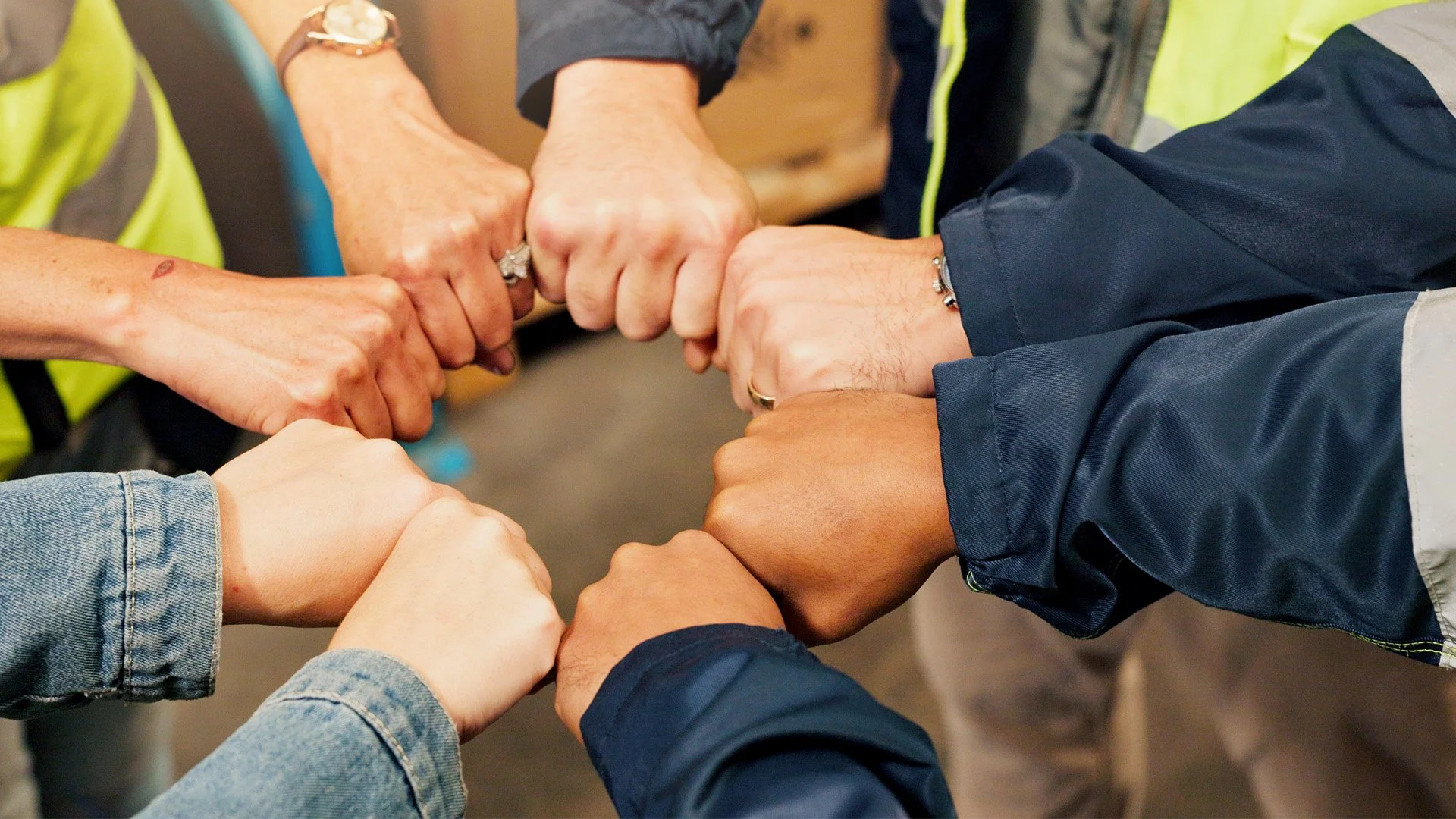
At the start of most projects I work on, the first thing I notice is not the drawings or the budget. It is the speed.
The first full team meeting has a certain charge. The architect is excited to walk through the concept. The builder is already thinking three milestones ahead. The interiors team already has vendors in mind before anyone mentions finishes. Everyone around the table can see their own lane and is eager to start moving.
In their heads, people are clear.
I know what I need to do.
I know what my deliverables are.
I know what I owe this group next.
The owner is usually nodding along, taking it all in. They can feel the talent in the room, and they also know they are the one carrying the financial risk and much of the emotional weight. They are stepping into a world they do not fully understand, surrounded by a team of experts who do.
Most kickoff meetings end the same way.
People leave with tasks and dates.
Very few leave with a shared understanding of how they will work together once those tasks begin to collide.
The project looks like it is off to a fast start. In reality, something important has been left undone.
The Step That Quietly Gets Skipped
Construction teams are very good at defining the work.
They have scopes, schedules, RFIs, pricing exercises and coordination meetings. There are tools and habits for all of it.
What often does not get the same attention is how the team will behave together when the project stops matching the neat picture at the beginning.
You can see it as the weeks go by.
The contractor starts to hear that a key package is trending high. Rather than unsettle everyone with half information, they decide to wait until they have full pricing. They want to present a complete story once, not a series of partial updates.
The interiors team sees a better way to handle the kitchen. It fits the design vision more cleanly and, in their mind, the project is still in design. They trade sketches with the architect, not fully aware that the builder has already begun to line up trades based on the original layout.
Someone on the design side notices that a grading decision could cause a water problem later. They raise it gently, framing it as something to keep an eye on, and then step back. They are not sure whether the group actually wants to reopen that part of the plan.
Inside each role, these choices feel reasonable. People are trying not to overload the owner or each other. They are trying to be responsible with the team’s time. They are trying to keep things moving.
From the owner’s perspective, everything appears to be progressing. Then the first major pricing or coordination moment arrives and several threads hit at once. Budget assumptions shift. Options appear that no one knew were on the table. Deadlines suddenly feel sharper.
It is not that anyone has been hiding information. It is that the team never agreed on how to share uncertainty, risk and tradeoffs as they emerged. Everyone quietly protected their own lane.
The project begins to feel heavier than it needs to. Not because the people are weak. Because the setup was thin.
Designing How The Team Will Work
Teams that perform best over the life of a project usually take one step that looks slow at the beginning.
Before they go too far into drawings, pricing and dates, they spend time on how they want to show up with each other.
You can think of this as building the foundation before you build the house.
On a practical level, it looks like a conversation early in the project that is not about technical details. It is about how this specific group of people wants to operate.
The questions sound simple.
What kind of project do we want this to be when we look back a year after move in?
What do we need from each other so that concerns can be raised early, without it turning into drama?
How will we make decisions when time is tight and not everyone agrees?
How do we want this to feel for the owner who is trusting us with a big part of their life?
Often, that meeting is a little uncomfortable. People are already under pressure to get work done and would rather be pushing drawings, pricing or coordination than talking about how they function as a group. Taking time for a conversation that does not move a visible deliverable forward can feel like a luxury. Yet that is exactly why it matters: it is the work that makes the rest of the work go faster.
Done well, this one step changes the tone of the project.
It becomes normal to check in on how the team is functioning, not only on what is being produced. People start to feel that it is allowed to say what they see. They can admit uncertainty or say that their estimate is a range rather than a guarantee without feeling like they are failing.
This is what a healthy project culture looks like in practice, without anyone needing to label it.
What A Simple Agreement Usually Covers
There is no single charter that fits every project. I do not bring a fixed template and ask people to sign it. The value is in the group discovering the shape of their own agreement.
That said, when teams go through this process, their agreements tend to touch the same few areas.
The first is communication. Teams that work well together choose one clear way to tell the story of the project so people are not piecing it together from side conversations and stray emails. They decide how often the owner will hear from them and through what channel. They agree that if something important changes, everyone who needs to know will hear the same version, not three different versions.
The second is how they talk about risk and uncertainty. Instead of promising single dates and single numbers where they do not exist yet, they agree to speak in ranges until the work is defined. They separate what is possible from what is likely. They make it normal to say, “Here is what we know, here is what we are still learning, here is the band we are working within.” That one habit alone saves a lot of later frustration.
The third is tension. Every project has moments where people see things differently. Teams that have done this work upfront do not treat those moments as personal failures. They treat them as signals. When friction shows up, the expectation is that it will be named in the room, with the people involved, instead of building quietly in side conversations. People start with questions rather than blame. They can disagree, work it through and then move forward with one shared story.
The fourth is the owner’s experience. Strong teams remember that this project is a significant chapter in someone’s life, not just another job on the board. They want the owner to feel informed rather than in the dark, involved without being dragged into every decision and confident that someone is watching the whole picture, not only their own scope.
None of this needs to be written in elaborate language. It can live on a single page. What matters is that the people in the room have created it together and are willing to come back to it when things get busy.
The document is not the method. The conversation is.
Slow First, Fast Later
At this point, it is easy to think this is the last thing we have time for. The calendar is already tight. The budget is already stretched. The owner wants to see visible movement. The builder wants to lock in trades before the market shifts again. The design team wants space to think deeply about the work. Pausing for this kind of work can sound like I am asking you to slow the project down on purpose.
From a distance, a meeting about how we work together can look like a delay.
In practice, it is usually the opposite. It is what protects the schedule everyone cares about.
When teams do make space for this, certain patterns start to show up.
Issues surface earlier, while they are still small and cheap to solve. People do not wait until they have a fully polished answer before they speak up.
The owner feels more settled because there is a predictable rhythm to updates and decisions. They understand when something is in motion, when it is at a choice point and when it is locked in.
Decisions move faster because the group already agreed on how they will decide when time is tight. There is less time lost to rehashing the same ground.
When something goes wrong, attention moves toward fixing it rather than rehearsing who is at fault. That shift alone preserves a lot of momentum.
On projects that skip this step, similar conversations still happen. They just show up later, under more pressure, after trust has already taken a few dents and after money has already been spent.
From Working Group To High Performing Team
In a recent article I wrote about the difference between a working group and a high performing team.
A working group is a collection of talented individuals, each doing their part.
A high performing team is a group that chooses, consciously, how they will think, decide and act together when it counts.
The difference is not talent. It is setup.
If you are leading or joining a project soon, pay attention to that early rush of energy. People will be ready to dive into their scopes. Tasks will stack up quickly. It will feel good to start checking things off the list.
Before you let that momentum carry everyone straight into the work, it may be worth pausing for a different kind of question.
Have we taken the time to agree on how we will work together when this gets hard, or are we assuming it will sort itself out?
Teams that slow down long enough to build that agreement tend to discover that they move faster, with less strain, over the life of the project. That is the core of the method. Set up the team first, then ask it to perform.